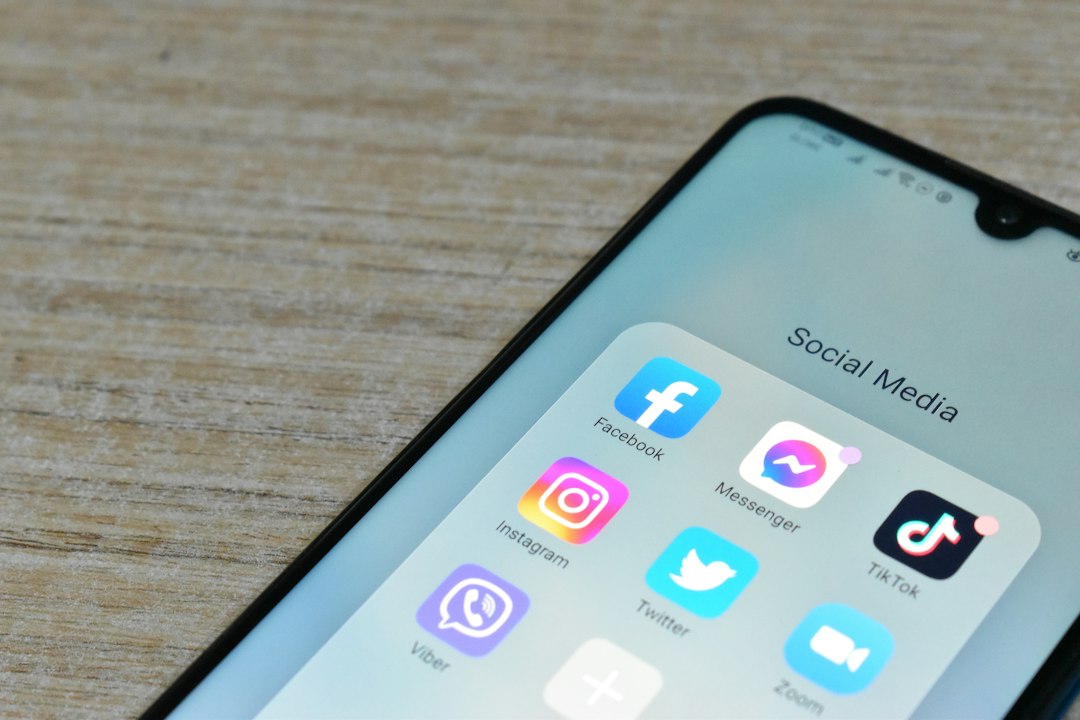
Title: Mastering Social Media Optimization: The Ultimate Guide to Boosting Reach, Engagement, and Brand Authority
—
Introduction – Why “Social Media Optimization” Is the Secret Sauce Your Digital Strategy Needs
Picture this: you’ve just launched a brilliant blog post, a dazzling product video, or a witty meme. You hit “publish,” but the reaction is… crickets. No likes, no shares, no comments. You’re left wondering why your content isn’t getting the love it deserves.
The missing piece isn’t the quality of your creative—it’s Social Media Optimization (SMO). Much like SEO helps your website climb Google’s rankings, SMO fine‑tunes every element of your social presence so that algorithms, audiences, and brand goals line up perfectly.
In today’s hyper‑connected world, a well‑optimized social profile can be the difference between being a niche whisper and a viral roar. This guide walks you through everything you need to know—step by step, with actionable tactics you can implement right now—to turn your social channels into powerful traffic generators, lead magnets, and brand‑building machines.
—
1. Laying the Foundation: Building an Optimized Social Profile
Before you start chasing likes, you need a solid base. An optimized profile is the digital equivalent of a clean, well‑organized storefront. It tells visitors who you are, why they should care, and how they can engage.
1.1 Choose the Right Handles & URLs
- Consistency is king – Use the same username across all platforms whenever possible. This boosts brand recall and makes it easier for fans to find you.
- Keep it short & memorable – Aim for 15 characters or fewer. Avoid numbers or underscores unless they’re part of your brand name.
- Secure custom URLs – Platforms like Facebook, Instagram, and LinkedIn let you claim a vanity URL (e.g., facebook.com/YourBrand). Grab them early to prevent squatters.
- Lead with value – In the first 150 characters, answer the question: What problem do I solve?
- Inject keywords – Sprinkle relevant terms like “social media optimization,” “digital marketing,” or “e‑commerce solutions” naturally. This helps platform search and Google’s index.
- Add a call‑to‑action (CTA) – Direct visitors to a landing page, newsletter signup, or latest video. Use action verbs: “Download our free guide,” “Join the community,” “Shop now.”
- Profile picture – Use a high‑resolution logo (minimum 400 × 400 px). Keep it centered with ample padding so it doesn’t get cropped.
- Cover/banner image – This is prime real estate for seasonal promos or brand storytelling. Size it according to each platform’s specifications (e.g., 820 × 312 px for Facebook).
- Consistent color palette – Align your visuals with brand guidelines to reinforce recognition across channels.
- [ ] Verify username consistency across all active platforms.
- [ ] Rewrite each bio to include a primary keyword and a clear CTA.
- [ ] Update profile and cover images with high‑resolution, brand‑aligned graphics.
- [ ] Activate and populate platform‑specific features (Highlights, Featured, pinned posts).
- Create detailed buyer personas – Age, job title, pain points, preferred platforms, content consumption habits.
- Use platform analytics – Facebook Insights, Instagram Insights, and Twitter Analytics reveal peak activity times and top‑performing post types.
- Social listening tools – Sprout Social, Brandwatch, or even native search can surface trending topics and hashtags relevant to your niche.
- Start with a hook – Ask a provocative question or drop a bold statistic.
- Add value – Provide a quick tip, a takeaway, or a teaser that encourages scrolling.
- Include a CTA – “Tag a friend who needs this,” “Click the link in bio for the full guide,” or “Share your thoughts in the comments.”
- Add relevant hashtags – Use a blend of 3‑5 niche hashtags, 2‑3 branded hashtags, and 1‑2 broad hashtags. Avoid over‑stuffing; it looks spammy and can reduce reach.
- Test and refine – Use a content calendar (e.g., Trello, Asana) to schedule posts at different times. Track engagement metrics to pinpoint optimal windows.
- General benchmarks (adjust per industry):
- Leverage scheduling tools – Buffer, Hootsuite, Later, or native platform schedulers to maintain consistency without manual posting.
- Turn a popular blog post into an infographic, a carousel, and a short video.
- Use snippets from a webinar as Instagram Stories or TikTok clips.
- Bundle top‑performing tweets into a LinkedIn article.
- [ ] Draft three buyer personas and map them to preferred platforms.
- [ ] Create a 30‑day content calendar mixing at least five content types.
- [ ] Write a template for captions that includes hook, value, CTA, and hashtags.
- [ ] Identify three evergreen pieces of content to repurpose across channels.
- Engagement‑first – Likes, comments, shares, and watch time are primary ranking factors.
- Recency matters – Fresh content is prioritized, especially on TikTok and Instagram Reels.
- Relevancy signals – Keywords in captions, alt‑text on images, and the use of platform‑specific features (e.g., Instagram’s “Add Yours” sticker) tell the algorithm that your post is on‑topic for a user’s interests.
- User intent – The more a post satisfies a user’s intent (e.g., answering a question), the more the algorithm will surface it.
- Add descriptive alt text to every image (most platforms now allow this).
- Include keywords where natural. Example: “Infographic showing five steps to improve Social Media Optimization for e‑commerce brands.”
- Why it matters: Alt text is indexed by search engines, improves accessibility for screen‑reader users, and can appear in image search results—driving extra traffic.
- Facebook Instant Articles and Twitter Cards allow you to control how your links appear when shared, adding images, titles, and descriptions that increase click‑through rates.
- Open Graph tags (og:title, og:description, og:image) should be correctly set on every landing page you promote. Use tools like the Facebook Sharing Debugger to validate.
- Set a response time goal – Aim for ≤1 hour for comments and ≤24 hours for direct messages.
- Use a brand voice guide – Keep tone consistent (friendly, helpful, witty) while personalizing replies.
- Leverage saved replies – For common FAQs, create canned responses that can be quickly customized.
- Launch a branded hashtag challenge – e.g., “#MyBrandStory” where customers share how they use your product.
- Feature the best submissions on your main feed and Stories. This not only rewards participants but also adds fresh, authentic content for the algorithm.
- Run contests with clear rules – Offer a prize for the most creative post, and require participants to follow your account and tag a friend to increase reach.
1.2 Craft a Magnetic Bio
1.3 Optimize Visual Assets
1.4 Leverage Platform‑Specific Features
| Platform | Key Optimization Feature | Quick Tip |
|———-|————————–|———–|
| Facebook | “About” section, pinned post, custom tabs | Pin a high‑value lead magnet to the top of your timeline. |
| Instagram | Highlights, bio link (Linktree or Link in Bio tools) | Use Highlights to showcase FAQs, testimonials, and product demos. |
| LinkedIn | “Featured” section, company page description | Add a downloadable case study in the Featured area. |
| Twitter | Header image, pinned tweet | Pin a tweet that contains a link to your latest blog post. |
| YouTube | Channel trailer, playlists, custom thumbnails | Create a 60‑second trailer that explains what viewers will learn from your channel. |
Action Checklist
—
2. Content Strategy for SMO – What to Post, When, and How
Great content is the engine, but SMO is the fuel that makes it run smoothly. Below are the pillars of a high‑performing social content strategy.
2.1 Know Your Audience Inside Out
2.2 Mix Up Content Types for Maximum Reach
| Content Type | Ideal Use | SMO Benefits |
|————–|———–|————–|
| Short‑form videos (Reels, TikTok, Shorts) | Quick tips, behind‑the‑scenes, product demos | Higher organic reach due to algorithmic preference for video. |
| Carousel posts | Step‑by‑step guides, listicles | Longer dwell time → signals higher relevance. |
| Infographics | Data‑heavy insights, industry stats | Shareability and visual appeal boost engagement. |
| User‑generated content (UGC) | Customer testimonials, community spotlights | Social proof + algorithmic boost from authentic content. |
| Live streams | Q&A sessions, product launches | Real‑time interaction spikes dwell time and comments. |
| Polls & quizzes | Market research, fun engagement | Instant feedback and higher comment counts. |
Actionable Tip: Aim for a 70/30 rule—70% value‑driven content (education, entertainment) and 30% promotional content (sales, CTAs). This balance keeps audiences engaged without feeling “hard‑sell.”
2.3 Master the Art of the Caption
2.4 Timing & Frequency: The Science of Posting
– Facebook: 1–2 posts per day, peak 9 am–1 pm.
– Instagram: 1 post + 3–5 Stories per day, peak 11 am–3 pm.
– LinkedIn: 3–5 posts per week, peak 8 am–10 am.
– Twitter: 5–7 tweets per day, spread throughout the day.
2.5 Repurpose, Recycle, Re‑ignite
Result: You amplify the lifespan of each piece of content while feeding the algorithm with fresh, yet familiar, signals.
Action Checklist
—
3. Technical SMO – Algorithms, Hashtags, and SEO on Social
Even the most compelling content can get lost if the underlying technical elements aren’t tuned. This section dives into the nuts and bolts that make platforms “see” and promote your posts.
3.1 Understanding Platform Algorithms
3.2 Smart Hashtag Strategy
1. Research – Use tools like Hashtagify, RiteTag, or the native search bar to find hashtags with a balance of high volume and low competition.
2. Tiered approach:
– Tier 1 (Broad): 1–2 hashtags with >1M posts (e.g., #Marketing). Use sparingly to avoid being drowned out.
– Tier 2 (Niche): 2–3 hashtags with 10k–100k posts (e.g., #SMOTips). These are the sweet spot for discoverability.
– Tier 3 (Branded): 1–2 unique to your business (e.g., #YourBrandSMO). Great for community building.
3. Placement – Keep hashtags at the end of the caption or in the first comment to maintain a clean visual flow.
3.3 Alt Text & Accessibility – An Overlooked SEO Boost
3.4 Leverage Structured Data & Rich Snippets
3.5 Tracking & Analytics – The Feedback Loop
| Metric | Why It Matters | Ideal Tool |
|——–|—————-|————|
| Engagement Rate (likes + comments + shares ÷ total followers) | Indicates content resonance | Platform native insights |
| Click‑through Rate (CTR) | Measures traffic generation to your website | Bitly UTM links + Google Analytics |
| Reach vs. Impressions | Reach = unique users; Impressions = total views. Helps spot algorithmic throttling. | Native insights |
| Video Completion Rate | Higher completion signals quality video content | YouTube Analytics, Instagram Insights |
| Hashtag Performance | Shows which tags drive the most discovery | Later, Sprout Social, Hashtagify |
Actionable Process:
1. Set up UTM parameters for every outbound link (source=facebook, medium=social, campaign=summer‑promo).
2. Create a monthly SMO dashboard in Google Data Studio pulling data from each platform’s API.
3. Identify top‑performing posts and reverse‑engineer the elements (time, format, hashtags).
Quick Win: Use “Save as PDF” on your Instagram Insights to capture story performance, then export to Excel for a quick visual of swipe‑up vs. sticker tap rates.
—
4. Community Management – Turning Followers into Advocates
Optimizing content is only half the battle; nurturing relationships fuels long‑term growth. Social media is a two‑way street, and community management is the bridge.