
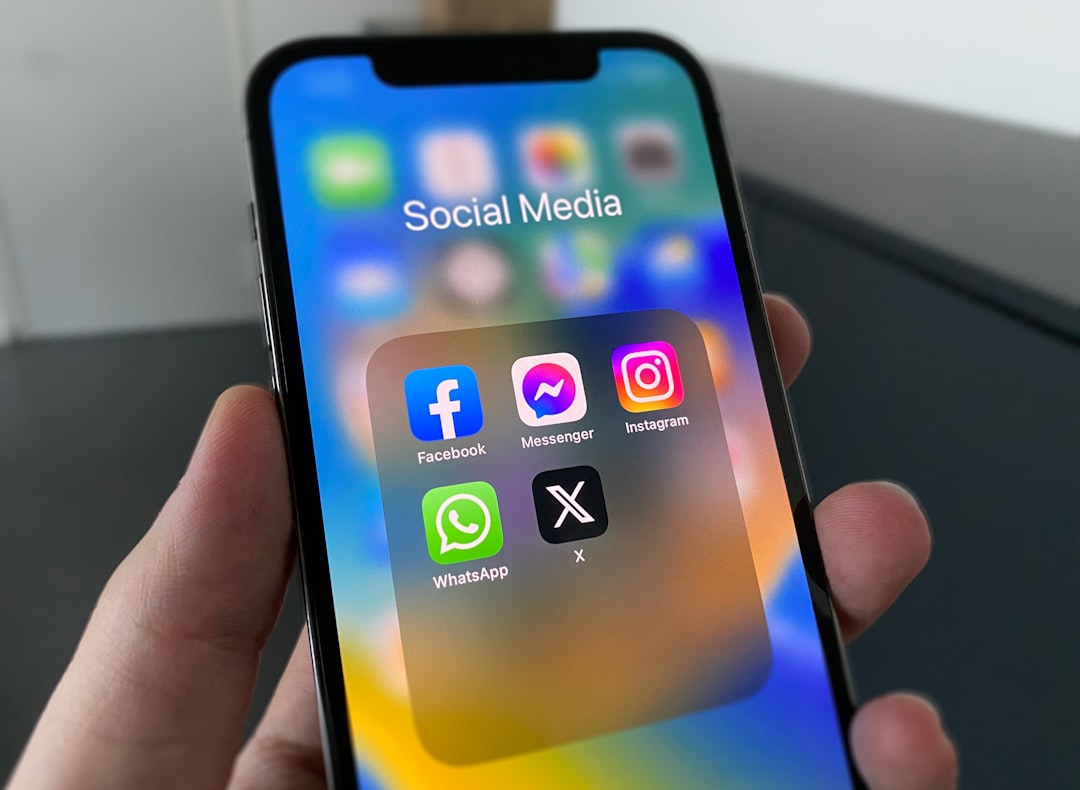
Title: Mastering Social Media Optimization: A Complete Guide to Boosting Visibility, Engagement, and ROI
—
Introduction – Why Social Media Optimization Is the Secret Weapon Your Brand Needs
Imagine you’ve just launched a brilliant new product. Your website is polished, your email list is growing, and you’ve invested heavily in paid ads. Yet, when you share the announcement on Instagram, Twitter, LinkedIn, or TikTok, the post barely registers a handful of likes and even fewer clicks.
What’s missing? Social Media Optimization (SMO) – the strategic process of fine‑tuning every piece of your social presence so that it works hand‑in‑hand with SEO, content marketing, and paid campaigns.
In today’s hyper‑connected world, social platforms are no longer just “nice‑to‑have” channels; they’re search engines in their own right. From Google’s Knowledge Graph pulling data from Facebook pages to TikTok videos ranking on Google SERPs, the line between social and search is blurring fast.
If you want your brand to be discovered organically, spark authentic conversations, and turn followers into loyal customers, you need a solid SMO game plan. This guide walks you through everything from the fundamentals to advanced tactics, delivering actionable steps you can implement today to supercharge your social reach and drive measurable results.
—
1. Foundations of Social Media Optimization
1.1 What Exactly Is SMO?
Social Media Optimization is the practice of optimizing your social media profiles, content, and interactions to increase visibility, improve audience engagement, and drive traffic to your owned assets (website, blog, landing pages). Think of SMO as the bridge between search engine optimization (SEO) and social media marketing (SMM). While SEO focuses on ranking in Google, Bing, and other search engines, SMO ensures your brand shines on platforms where people spend billions of hours each month.
Key SMO components:
| Component | What It Involves | Why It Matters |
|———–|——————|—————-|
| Profile Optimization | Username, bio, URL, profile image, cover photo | Sets the first impression & improves discoverability |
| Content Optimization | Keywords, hashtags, captions, alt‑text, video thumbnails | Boosts organic reach and platform search rankings |
| Engagement Tactics | Prompt responses, community building, user‑generated content | Signals relevance to platform algorithms |
| Analytics & Iteration | Platform insights, UTM tracking, A/B testing | Enables data‑driven improvements |
1.2 How SMO Impacts SEO
- Google’s Social Signals: While Google says social links don’t directly affect rankings, the traffic and brand authority generated from social shares can lead to backlinks and higher dwell time—both strong SEO signals.
- Rich Snippets & Knowledge Panels: Optimized social profiles often appear in Google’s Knowledge Graph, giving your brand a premium spot on SERPs.
- Indexable Content: Tweets, LinkedIn posts, and YouTube videos are crawled and indexed by search engines. Optimized captions and transcripts can rank for long‑tail keywords you might not target on your website.
- TikTok: Use a keyword‑rich profile description (up to 80 characters) and include a branded hashtag. Add a link to your website in the bio and leverage TikTok’s “Link in Bio” feature for e‑commerce.
- Pinterest: Optimize board titles and pin descriptions with long‑tail keywords. Enable Rich Pins (product, article, recipe) to push metadata directly into Pinterest’s search.
- Front‑Load Keywords: Place the primary keyword within the first 40 characters (visible before “Read More”).
- Use Natural Language: Write as you’d speak to a friend—avoid keyword stuffing.
- Add a CTA: “Tap the link in bio to claim your free trial,” “Comment your favorite tip,” or “Save this pin for later.”
- Incorporate Emojis Strategically: Emojis increase engagement but should not replace keywords. Use them to break up text and add personality.
- Resolution: Follow platform specs (e.g., Instagram 1080 × 1080 px for square, 1080 × 1350 px for portrait).
- File Names: Name images with descriptive, keyword‑rich filenames before uploading (e.g., `quick-bodyweight-exercises-10min.jpg`).
- Alt Text: Add alt text on Facebook, Instagram (via “Advanced Settings”), and Twitter.
- Video Captions: Upload closed captions (SRT files) to YouTube, Facebook, and Instagram Reels—boosts accessibility and keyword relevance.
- Thumbnail Text: Overlay a short keyword phrase on video thumbnails (e.g., “10‑Min HIIT”).
1.3 Setting Up for Success – The SMO Checklist
| ✅ | Action |
|—|——–|
| 1 | Choose a consistent brand handle across all platforms (e.g., @YourBrand). |
| 2 | Craft a keyword‑rich bio (max 150 characters) that includes your primary value proposition and a call‑to‑action. |
| 3 | Add a canonical URL to your website in every profile’s “Website” field. |
| 4 | Upload high‑resolution brand assets (logo, cover photo) that meet each platform’s specifications. |
| 5 | Enable social sharing buttons on your website and embed Open Graph (OG) tags for rich previews. |
| 6 | Set up UTM parameters for every social post to track traffic in Google Analytics. |
| 7 | Verify your business pages (Facebook, Instagram, LinkedIn) to unlock analytics and advertising tools. |
—
2. Optimizing Your Social Profiles for Maximum Visibility
2.1 The Power of a Perfect Profile
Your profile is the digital storefront. A well‑optimized profile not only improves platform search rankings but also converts casual browsers into followers and leads. Below, we break down the essential elements for the three most popular platforms—Facebook/Meta, Instagram, and LinkedIn—and provide quick‑action tips for emerging platforms like TikTok and Pinterest.
#### Facebook / Meta Business Page
| Element | Optimization Tips |
|———|——————-|
| Page Name | Use your exact brand name; avoid “official,” “official page,” or extra symbols. |
| Username (@handle) | Keep it short, memorable, and identical to other platforms. |
| About Section | Include primary keywords (e.g., “organic skincare,” “B2B SaaS”) naturally. Use a clear, concise description (≤255 characters). |
| URL | Set a custom vanity URL (facebook.com/YourBrand). |
| Cover Photo | Use a high‑resolution image (820 × 312 px) that showcases your latest campaign or product. |
| Call‑to‑Action Button | Choose the most relevant CTA (Shop Now, Book Now, Contact Us) and link it to a landing page with a tracked UTM. |
| Tabs & Services | Activate the “Shop” tab if you sell products, and fill out the “Services” section with keyword‑rich descriptions. |
#### Instagram Business Profile
| Element | Optimization Tips |
|———|——————-|
| Username | Keep it identical to Facebook/LinkedIn for brand consistency. |
| Name Field | Add a keyword (e.g., “FitLife – Fitness Coaching”). This field is searchable. |
| Bio | Use 150 characters to state who you are, what you do, and a CTA (e.g., “Join 10k+ members →”). Include a branded hashtag. |
| Website | Use a Linktree or smart bio tool if you need multiple links, but keep the primary landing page URL first. |
| Profile Photo | Use a clear, square logo (110 × 110 px). |
| Highlights | Organize highlights by theme (Testimonials, FAQs, Products) and add custom cover icons with text for SEO (e.g., “Reviews”). |
| Alt Text | Add descriptive alt text to every image (Instagram now allows manual alt text). Use relevant keywords. |
#### LinkedIn Company Page
| Element | Optimization Tips |
|———|——————-|
| Company Name | Exact brand name; avoid abbreviations unless they’re widely recognized. |
| Custom URL | linkedin.com/company/yourbrand (no numbers or extra words). |
| Tagline | 120‑character tagline with primary keywords (e.g., “Enterprise Cloud Security Solutions”). |
| About Section | Write a 2‑paragraph overview: first paragraph for SEO (keywords), second for storytelling. |
| Cover Image | 1536 × 768 px banner with a compelling visual and a brief value proposition overlay. |
| Specialties | List up to 20 specialties—these act like keywords for LinkedIn search. |
| Showcase Pages | Create dedicated pages for each product line or region to target niche keywords. |
#### TikTok & Pinterest Quick Wins
2.2 Leveraging Structured Data & Open Graph
Even though you’re optimizing social platforms, the technical side matters. Implement Open Graph (OG) tags on every page you share:
«`html
«`
These tags control how your links appear on Facebook, LinkedIn, and Twitter, improving click‑through rates (CTR) and encouraging shares. For Twitter, add `twitter:card` tags; for Pinterest, use `pinterest-rich-pin` metadata.
—
3. Content Optimization – Crafting Posts That Rank and Resonate
3.1 Keyword Research for Social
Just like SEO, keyword research is the backbone of SMO. Use tools like Google Keyword Planner, Ahrefs Keywords Explorer, Ubersuggest, and platform‑specific search suggestions (e.g., Instagram’s “Search & Explore” auto‑complete).
Steps to uncover social keywords:
1. Identify Core Topics – Align with your buyer personas (e.g., “DIY home décor,” “remote work productivity”).
2. Gather Seed Keywords – Pull from website SEO, blog topics, and competitor analysis.
3. Validate Search Volume – Look for keywords with moderate volume and low competition on the platform.
4. Map to Content Types – Short‑form (tweets, Instagram captions), long‑form (LinkedIn articles, Facebook notes), and visual (Pinterest pins, TikTok videos).
Example: A fitness brand might target “HIIT workouts for beginners,” “home cardio routine,” and “quick bodyweight exercises.” These phrases become the basis for captions, hashtags, and video titles.
3.2 Crafting SEO‑Friendly Captions & Descriptions
Sample Instagram Caption (optimized for “quick bodyweight exercises”):
> 💪 Quick bodyweight exercises you can do in a 10‑minute break! No equipment, zero excuses. 👉 Swipe left for the full routine.
>
> 🔥 Save this post for your next office stretch.
>
> 👇 Tag a coworker who needs a movement boost! #QuickWorkouts #BodyweightFitness #OfficeGym
3.3 Hashtag Strategy – The Modern Keyword
Hashtags are the search keywords of Instagram, TikTok, and Twitter. A balanced approach blends branded, niche, and high‑volume tags.
The 30‑Hashtag Rule (Instagram):
| Category | # of Tags | Example |
|———-|———–|———|
| Branded | 1–2 | #YourBrand, #YourBrandFit |
| Community | 2–3 | #FitFam, #WellnessWarriors |
| Niche | 5–7 | #BodyweightTraining, #10MinWorkout |
| Trending/Seasonal | 2–3 | #SpringFitness, #WorldHealthDay |
| High‑Volume | 5–10 | #Fitness, #Workout, #GymLife |
Tip: Rotate hashtags every 3–5 posts to avoid “shadowban” penalties. Use a hashtag spreadsheet to track performance (impressions, saves, clicks).
3.4 Visual Optimization – Thumbnails, Images, and Video
3.5 Posting Frequency & Timing
Algorithmic favorability often hinges on consistency and recency. While optimal frequency varies per platform, here are proven baselines:
| Platform | Recommended Frequency | Best Times (General) |
|———-|———————-|———————-|
| Facebook | 1–2 posts/day | 9 am–1 pm (Tue–Thu) |
| Instagram | 1 post + 3–5 Stories/day | 11 am–2 pm (Mon–Fri) |
| Twitter | 3–5 tweets/day | 8 am–10 am, 6 pm–9


